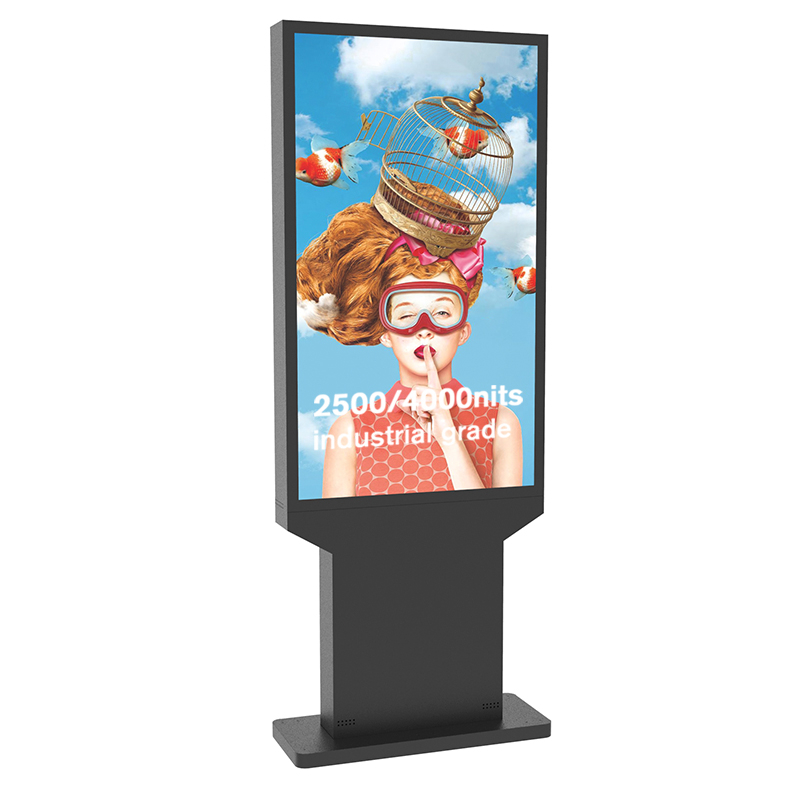
In today’s crowded marketplace, standing out from the competition is a challenge for businesses of all sizes. Traditional advertising methods, such as print ads and static billboards, are becoming less effective as consumers are exposed to an overwhelming amount of content every day. To make a lasting impression, businesses need to find innovative ways to capture the attention of their target audience and engage them in a meaningful way. One of the most exciting and effective ways to do this is through interactive outdoor advertising.
Interactive outdoor advertising refers to digital and physical advertisements that engage consumers in two-way communication. This can include ads that encourage audience participation through touchscreens, motion sensors, QR codes, augmented reality (AR), and social media integration. By encouraging real-time interaction, these ads make the experience more engaging and memorable, which can lead to higher levels of brand awareness, customer engagement, and even sales.
In this article, we will explore how interactive outdoor advertising can be used to boost brand awareness, the benefits of incorporating interactivity into outdoor ads, and how businesses can design effective campaigns that resonate with today’s tech-savvy consumers.
1. Deconstructing Interactivity: Core Mechanics of Modern Outdoor Media
Interactive outdoor advertising refers to the strategic deployment of digital and physical assets to enable two-way communication between a brand and a consumer, moving beyond the limitations of traditional one-way broadcasting. The value of this medium lies in its mechanism—it requires and rewards participation, turning a passive viewer into an active participant.
This modern advertising discipline is defined by several core interactive features:
Technological Components:
Touchscreen Kiosks: Equipped with touch-enabled interfaces, these interactive stations allow consumers to tap, swipe, and scroll through extended brand content, customized information, or functional interfaces (like ordering systems).
Augmented Reality (AR) Experiences: Ads that integrate virtual elements overlaid onto the real world. Consumers use smartphones or dedicated cameras to interact with these virtual layers, enabling memorable, mixed-reality brand experiences.
Context-Sensitive Displays (Motion/Gestures): Digital displays utilize embedded sensors to dynamically change content based on the audience's physical presence, movement, or gestures. For instance, the content could react directly to a person walking or waving in front of the screen.
Seamless Mobile Integration (QR/NFC): A common, low-barrier feature where consumers scan a QR code or use Near-Field Communication (NFC) to instantly access additional content, personalized discounts, promotions, or direct e-commerce links via their smartphones.
Geolocation-Driven Personalization: Ads that leverage GPS or localized data to adjust their messaging, content, or offers based on a consumer’s geographic location or proximity, making the experience hyper-relevant and timely.
By adding an element of interactivity, these ads encourage participation from the audience, making them more engaging, memorable, and ultimately, more effective than traditional outdoor ads.
2. Why Interactive Outdoor Advertising Boosts Brand Awareness
In an increasingly digital world, consumers are used to interacting with content on their smartphones, tablets, and computers. When they encounter a traditional static ad, they may overlook it or dismiss it as just another piece of clutter. Interactive outdoor ads, however, cut through the noise by offering something unique and engaging.
Here’s why interactive outdoor advertising is so effective at boosting brand awareness:
a. Creates Memorable Experiences
The primary reason why interactive ads work so well for brand awareness is their ability to create memorable experiences. When consumers are actively involved in an ad, they’re more likely to remember it. For example, a touchscreen kiosk that invites people to play a game or enter a contest is not only fun but also creates a positive association with the brand. Interactive ads leave a lasting impression because they engage consumers in a way that traditional ads simply can’t.
By offering entertainment, personalization, or useful content, interactive ads help brands stand out in a crowded market. People are more likely to talk about an ad that involves them, share it on social media, or recommend the experience to others—leading to increased exposure and brand awareness.
b. Encourages Consumer Participation
Interactive ads are designed to engage the audience directly, inviting them to take action. Whether it’s answering a question on a touchscreen display, scanning a QR code for an exclusive discount, or using augmented reality to visualize a product in their own space, consumer participation helps foster a sense of ownership and connection to the brand.
When people participate in an ad, they become part of the brand’s story, which increases the likelihood that they will remember the brand long after the interaction. For instance, if a consumer interacts with a digital billboard that changes its message based on their actions (such as smiling, waving, or even scanning a QR code), it reinforces the idea that the brand understands them, making the experience feel more personal.
c. Builds Emotional Connections
Interactive outdoor ads are also effective at establishing emotional connections with consumers. These ads often incorporate elements of surprise, delight, or humor, which can evoke positive feelings. The more an ad makes consumers feel good, the more likely they are to form an emotional bond with the brand.
When people have an enjoyable or exciting experience with a brand through an interactive ad, they are more likely to remember it and share the experience with others. This emotional connection can also lead to increased brand loyalty and word-of-mouth referrals.
d. Provides Real-Time Data for Brand Optimization
Unlike traditional outdoor advertising, interactive ads provide valuable real-time data that brands can use to optimize their campaigns. Digital billboards, for example, can track how many people interact with them, what content resonates the most, and how long the interaction lasts. Brands can use this data to better understand consumer preferences and tailor future campaigns accordingly.
The ability to gather instant feedback and consumer insights is one of the key advantages of interactive advertising. This data not only helps improve the performance of a specific campaign but also informs future marketing strategies, leading to more effective campaigns and, ultimately, greater brand awareness.
3. Designing Effective Interactive Outdoor Advertising Campaigns
To successfully boost brand awareness through interactive outdoor advertising, businesses must design their campaigns thoughtfully. The interaction needs to feel seamless, relevant, and valuable to the target audience. Here are some tips for creating interactive ads that engage and captivate:
a. Keep It Simple and Intuitive
While it’s tempting to incorporate the latest technology into your interactive ads, it’s important to remember that simplicity is key. The interaction should be easy to understand and intuitive. Consumers should be able to engage with the ad without needing extensive instructions or assistance.
For example, a QR code should lead to a clear call-to-action, such as a website, discount code, or entry into a contest. The interaction should feel effortless, not frustrating, to ensure a positive experience that will boost brand recognition.
b. Focus on Relevant Content
The content you provide through interactive ads should be relevant to the audience and aligned with your brand values. If the ad offers a fun game, ensure it is related to your product or industry. For instance, a sports brand could create a virtual soccer game where users try to score a goal, while a beauty brand might offer an interactive makeup tutorial.
Relevant content ensures that the interaction isn’t just fun, but also meaningful. The more relevant the experience is to the consumer, the stronger the connection they will feel to your brand.
c. Optimize for Location
The effectiveness of interactive outdoor ads often depends on their location. High-traffic areas, such as shopping malls, airports, transit stations, or busy city streets, are prime spots for interactive ads, as they offer the opportunity to engage a wide variety of people.
Make sure the ad placement is in a location where it’s visible, accessible, and where the audience is most likely to engage with it. For example, placing a touchscreen kiosk near a shopping center entrance, or an interactive billboard near a subway station, ensures maximum exposure and interaction.
d. Incorporate Social Media Integration
Many interactive outdoor ads now integrate social media platforms to further increase engagement and brand awareness. For example, brands can encourage consumers to share their experiences on social media by offering incentives, such as discounts or exclusive content.
Including a social sharing component in your interactive ad extends the reach of the campaign, as consumers who share their interactions with friends and followers effectively become brand ambassadors. This amplifies your message and increases your brand’s visibility among new potential customers.
e. Incorporate Augmented Reality
If you’re looking to create a truly memorable experience, consider using augmented reality in your interactive outdoor ads. AR allows consumers to engage with virtual content in the real world, creating an immersive and engaging experience. For instance, a furniture brand might allow people to visualize how a piece of furniture would look in their home through AR.
AR has the potential to be a game-changer in outdoor advertising, as it offers something unique and exciting that people can share on social media.
4. Conclusion
Interactive outdoor advertising offers a fresh and exciting way for brands to engage with consumers and boost brand awareness. By creating interactive experiences that are fun, memorable, and relevant, brands can forge deeper connections with their audience, leading to increased engagement, greater recall, and ultimately, more sales.
Whether you’re using digital billboards, QR codes, touchscreens, or augmented reality, the key is to design interactive campaigns that are intuitive, relevant, and optimized for your audience. As technology continues to evolve, interactive outdoor advertising will only become more powerful, allowing businesses to break through the noise and create meaningful, lasting impressions with their consumers.
By embracing interactive outdoor advertising, brands have a unique opportunity to stand out in a crowded marketplace and take their marketing efforts to the next level.