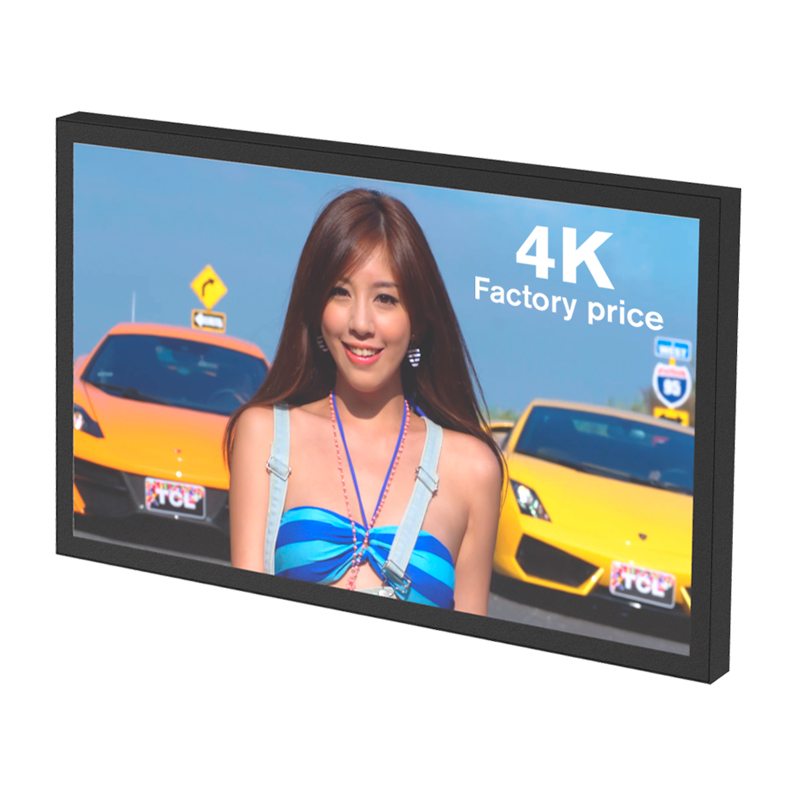
In today's fast-paced and highly competitive advertising landscape, businesses are constantly looking for innovative ways to capture consumer attention and maximize their return on investment (ROI). Traditional outdoor advertising methods, such as static billboards and posters, no longer have the same impact they once did. With consumers becoming increasingly distracted by digital content and mobile devices, businesses must find new ways to stand out and engage their audience effectively.
Interactive outdoor advertising is the solution that many businesses are turning to in order to enhance their marketing efforts and improve ROI. Interactive ads, whether through digital billboards, touchscreens, augmented reality (AR), or QR codes, create dynamic, engaging experiences that encourage consumer interaction, leading to higher levels of brand engagement, conversion, and ultimately, return on investment.
In this article, we will explore how interactive outdoor advertising works, why it is effective in boosting ROI, and how businesses can maximize their return by creating impactful interactive campaigns. We will also discuss key strategies for optimizing these campaigns and measuring their success.
1. The Digital Deconstruction of Interactive Outdoor Advertising: Core Elements and Mechanics
Interactive Outdoor Advertising represents a crucial evolution of traditional Out-of-Home (OOH) media in the digital age. Its core function is to transform static brand messaging into a dynamic, two-way communication experience. This model breaks the 'fourth wall' between the consumer and the advertisement, leveraging advanced technologies to encourage direct participation via touch, motion, mobile integration, and Augmented Reality (AR).
Unlike traditional ads which merely broadcast a message, interactive ads establish a "participate-to-experience" pathway, which dramatically enhances message recall and effective reach.
Key Technological Vehicles for Interactive OOH:
Dynamic Digital Billboards: These high-resolution LED screens display content that changes based on real-time context (e.g., weather, time of day, pedestrian density) or external triggers. For instance, an ad may adjust its creative as a specific car model approaches or when a pedestrian walks past the sensor.
Multi-Functional Touchscreen Kiosks: Positioned in high-traffic areas, these serve as micro-interaction hubs. Users can navigate product catalogs, participate in brand surveys, access personalized content, or redeem on-the-spot coupons by physically engaging with the screen.
Mobile Integration & Instant Conversion (QR Codes/NFC): Scannable Quick Response (QR) codes, short links, or Near-Field Communication (NFC) tags are integrated into large outdoor displays. A simple "scan-to-act" step allows consumers to seamlessly transition to a brand's landing page, participate in an online campaign, or unlock exclusive AR experiences, driving immediate digital conversion from the physical space.
Augmented Reality (AR) Experiential Ads: These campaigns utilize the user's mobile camera or a dedicated public screen to superimpose virtual digital content (like product models, brand mascots, or special effects) onto the real-world environment. This provides a novel, memorable, and gamified experience that significantly strengthens brand association.
These interactive elements not only make the advertising more engaging but also provide brands with immediate, quantifiable interaction data, laying the foundation for subsequent ROI analysis and optimization.
2. Why Interactive Outdoor Advertising Boosts ROI
To maximize ROI, advertisers need to ensure their marketing efforts are delivering measurable results. Interactive outdoor advertising offers several advantages over traditional advertising that can lead to significant improvements in ROI:
a. Increased Consumer Engagement
One of the primary benefits of interactive outdoor advertising is that it actively engages consumers. Traditional ads are often ignored or overlooked because they don’t invite participation. In contrast, interactive ads require consumers to take action, whether it's tapping a touchscreen, scanning a QR code, or participating in a game. This level of engagement ensures that the message is not only seen but also experienced and remembered.
Higher engagement leads to greater consumer involvement with the brand. Consumers who interact with an ad are more likely to form an emotional connection, which can drive brand loyalty and increase the likelihood of a future purchase. This enhanced engagement directly correlates with improved ROI.
b. Enhanced Brand Recall and Awareness
Interactive outdoor ads tend to have a stronger impact on brand recall compared to traditional static ads. When a consumer interacts with an ad, they become more invested in the experience. This leads to increased brand awareness because consumers remember interactive ads longer than those they simply pass by.
Brand recall is crucial for driving consumer purchasing decisions, especially in competitive industries where brand loyalty is a key differentiator. An ad that provides an enjoyable or memorable experience is more likely to stick with the consumer and increase the chances of them choosing your brand over competitors.
c. Real-Time Data and Consumer Insights
Interactive outdoor advertising generates valuable real-time data that businesses can use to measure the success of their campaigns and optimize their strategies. For example, digital billboards and touchscreen kiosks can track how many people engage with the ad, what content they interact with most, and how long they stay engaged.
This data allows businesses to refine their campaigns on the fly and make data-driven decisions. For instance, if a particular call-to-action or message is generating more engagement, advertisers can adjust the campaign to emphasize that element. The ability to make real-time adjustments increases the likelihood of higher conversion rates and a better ROI.
d. Direct Consumer Action and Conversions
Interactive outdoor advertising is uniquely positioned to drive immediate action. With features like QR codes and special offers, consumers can take immediate steps toward making a purchase or engaging with the brand. Whether it’s redeeming a coupon, signing up for a newsletter, or making an online purchase, interactive ads create an easy pathway for consumers to act on their interest.
This immediate call to action is a key driver of ROI, as it directly converts consumer attention into measurable outcomes, such as increased website traffic, sales, or brand engagement.
e. Increased Social Sharing and Word of Mouth
Interactive outdoor ads often encourage consumers to share their experience on social media, amplifying the reach of the campaign beyond the physical location of the ad. For example, a digital billboard may ask consumers to share a photo of their experience using a branded hashtag, or a touchscreen display may allow users to post their results on social media platforms.
This social sharing helps to expand the campaign’s reach and increase brand visibility. It also leverages the power of word-of-mouth marketing, which is one of the most effective and cost-efficient ways to generate brand awareness and trust.
f. Cost-Effectiveness Compared to Traditional Methods
While the initial investment in interactive outdoor advertising may be higher than traditional outdoor ads, the long-term benefits can make it more cost-effective. Traditional advertising often relies on a one-way message, which may only reach consumers passively. Interactive ads, on the other hand, drive consumer engagement and provide measurable data, helping brands optimize their campaigns for better performance.
In addition, interactive outdoor ads tend to have a longer shelf life because they can be updated remotely and tailored to different audiences. This makes them more versatile and adaptable, leading to more efficient use of the advertising budget.
3. Maximizing ROI with Effective Interactive Outdoor Advertising Campaigns
To truly maximize ROI, businesses need to approach interactive outdoor advertising with careful planning and strategy. Here are some best practices for creating effective campaigns:
a. Know Your Audience
Understanding your target audience is essential to creating an interactive ad that resonates with them. Who are they? What do they care about? What type of engagement are they likely to respond to? Tailor the interactive elements of your outdoor advertising to appeal to your audience’s preferences and needs.
For example, a fashion brand targeting young adults may create an interactive ad that allows users to virtually try on clothes using augmented reality, while a restaurant might create a touchscreen ad offering a digital menu with the ability to place an order on the spot.
b. Make the Interaction Simple and Rewarding
One of the keys to successful interactive advertising is ensuring the interaction is simple, intuitive, and rewarding. Consumers should easily understand how to engage with the ad, whether it’s tapping the screen, scanning a QR code, or playing a game.
The interaction should offer a reward, such as exclusive content, a discount, or a chance to win a prize. This motivates consumers to engage with the ad and take action, increasing the chances of conversion.
c. Use Real-Time Data to Optimize Campaigns
As mentioned earlier, interactive ads provide valuable data that can help businesses optimize their campaigns in real time. Track key performance indicators (KPIs) such as engagement rates, conversion rates, and social media shares. If certain elements of the ad are performing particularly well, consider amplifying those features to maximize the impact.
For example, if a particular call-to-action is generating more engagement, try placing it at the beginning of the ad for maximum visibility. Alternatively, if certain demographics are responding better to your campaign, target those groups with more tailored messaging.
d. Integrate with Digital Channels
Interactive outdoor ads can be even more effective when integrated with other digital marketing channels. For example, if a consumer engages with an interactive ad and shares their experience on social media, that can be leveraged in other parts of the marketing strategy, such as email campaigns or retargeting ads.
By connecting your outdoor advertising with your broader marketing ecosystem, you can create a seamless experience for consumers that drives higher levels of engagement and conversion across multiple touchpoints.
4. Conclusion
Interactive outdoor advertising is a powerful tool for maximizing ROI in today’s competitive marketing landscape. By engaging consumers in a meaningful way, encouraging immediate action, and providing valuable data, interactive ads offer businesses the opportunity to not only increase brand awareness but also drive conversions and build lasting customer relationships.
To achieve the best ROI, businesses must craft interactive campaigns that are audience-centric, simple, and rewarding. They should also use data-driven insights to optimize campaigns and integrate interactive ads with their broader digital marketing strategy.
As interactive outdoor advertising continues to evolve, businesses that embrace this dynamic medium will have a distinct advantage in the marketplace. For companies looking to make the most of their outdoor advertising efforts, partnering with experts like Shenzhen Dinosaur Display Co., Ltd. can help ensure that campaigns are not only innovative but also highly effective at driving results.