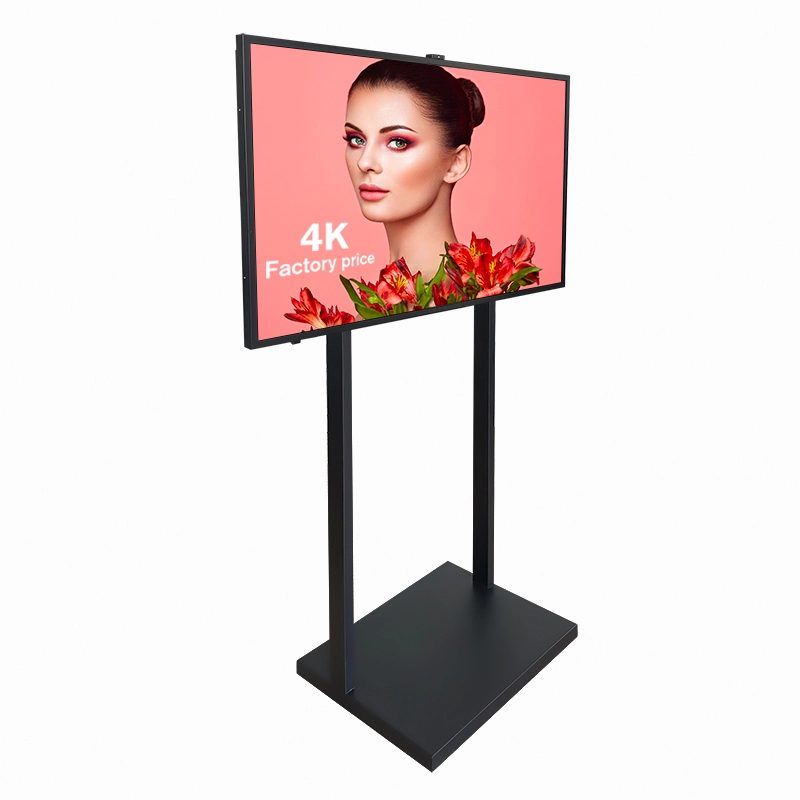
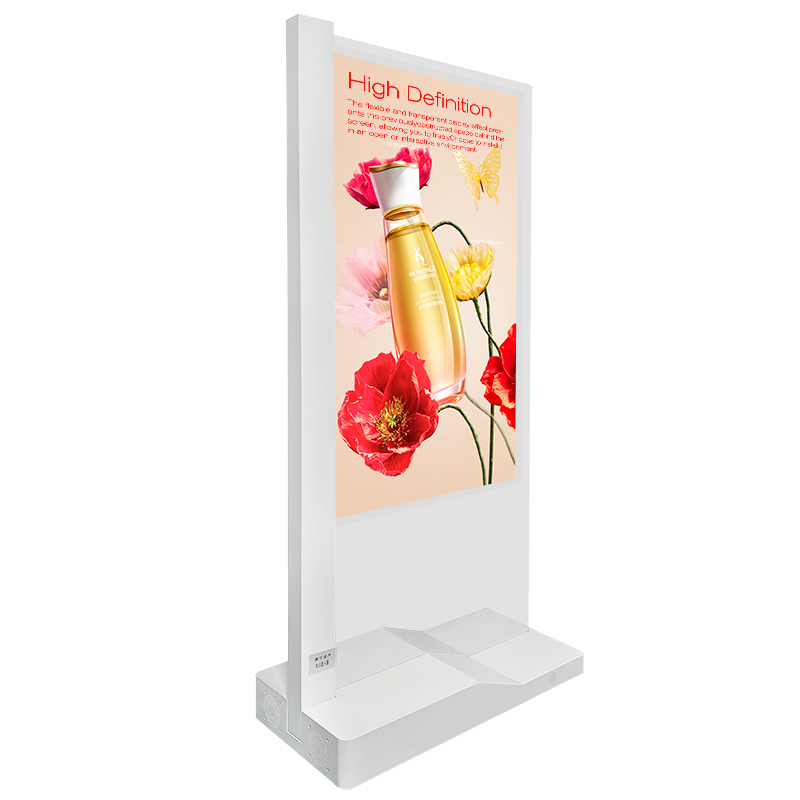
Transparent OLED technology sets the modern standard for commercial visual systems. Its self-emissive pixels deliver roughly 40% transparency without bulky backlights. In contrast, traditional transparent LCD displays offer a budget alternative, but they require heavy light box enclosures.
Display Technology | Transparency Rate | Backlight Requirement |
Transparent LCD | 8% – 15% | External Backlight Box |
Transparent OLED | ~40% | None (Self-Emissive) |
Quick Decision Matrix: You should select a floor standing transparent oled display for sleek, ultra-thin profiles and high optical contrast. Choose transparent LCD panels when you prioritize lower initial hardware costs inside controlled lighting enclosures.

Key Takeaways
Transparent OLED displays offer clear 40% transparency without needing heavy background lights.
Self-emissive OLED panels create slim displays that save valuable floor space.
OLED screens consume up to 70% less power by lighting only active pixels.
Modern pixel-shifting software protects new OLED screens from image burn-in automatically.
Technical Comparison Matrix for Commercial Displays
Selecting the right visual technology requires a deep technical understanding of display engineering. You must evaluate core performance metrics before deploying commercial screens in high-traffic environments.

Metrics: Transparency, Contrast, and Backlights
Transparent OLED displays eliminate traditional backlight units entirely. Each self-emissive pixel generates its own light and turns off completely to produce true blacks. This architecture achieves a remarkable 100,000:1 contrast ratio alongside ~40% optical transparency.
In contrast, transparent LCD panels act as light valves. They require external LED backlights inside dedicated rear enclosures. The liquid crystal layer blocks ambient light, which limits transparency to a modest 8%–15% window.
Feature Metric | Transparent OLED | Transparent LCD |
Light Source | Self-Emissive Pixels | External Backlight Enclosure |
Transparency | ~40% Transmission | 8% – 15% Transmission |
Contrast Ratio | 100,000:1 (Infinite Black) | 1,000:1 – 3,000:1 |
Pixel Structure and Light Transmission Differences
You gain superior visual clarity through OLED pixel architecture. Manufacturers print subpixels directly onto an ultra-thin tempered glass substrate. Clear, non-emissive gaps between subpixels let ambient light pass through freely.
Key Takeaway: Transparent LCDs rely on multiple polarized layers, color filters, and glass sheets. This dense stack degrades light transmission and distorts viewing angles in bright spaces.
Operating Lifespan and Thermal Considerations
Thermal management directly impacts hardware longevity. Transparent OLED panels distribute heat evenly across their surface because they lack concentrated rear backlight arrays. They deliver reliable performance for up to 30,000 operational hours in 24/7 commercial installations.
Conversely, transparent LCD enclosures trap heat from continuous backlight boxes. Elevated temperatures degrade liquid crystals faster and increase system cooling demands. You must account for these thermal loads when designing custom cabinetry or enclosure airflow systems.
Architecture of Floor Standing Transparent OLED vs LCD
Architectural design determines how easily you can integrate commercial displays into modern physical spaces. Screen depth, total weight, and structural framing dictate your deployment options. When you evaluate physical hardware, the fundamental panel architecture drives the overall footprint of your floor-standing enclosure.
Ultra-Slim Stand Design via Self-Emissive OLED
Self-emissive technology completely redefines display engineering. Engineers print active-matrix driving circuits directly onto an ultra-thin 2mm tempered glass panel. This compact arrangement removes traditional backlight components completely.
You can deploy a floor standing transparent oled unit with an extremely thin, sleek profile. The self-emissive glass panel mounts directly onto a minimalist vertical base.
Design Tip: You can position ultra-slim transparent OLEDs directly against glass partitions or room dividers without blocking architectural sightlines.
Integrated Backlight Enclosure Needs of LCDs
Transparent LCD panels follow a far more complex structural approach. Liquid crystal pixels do not produce light on their own. Therefore, you must install a custom backlight unit behind the LCD panel.
This design requirement forces manufacturers to build deep cabinet enclosures.
Increased Cabinet Depth: Rear light boxes add 10 to 20 centimeters of extra depth to the display housing.
Heavy Framework: Additional sheet metal, internal reflectors, and diffuse LEDs increase overall frame weight significantly.
Installation Complexity: Technicians must secure heavy floor anchors to prevent bulky cabinets from tipping over.
The resulting display looks like a traditional light box rather than a seamless piece of digital glass. You lose the futuristic visual appeal that modern commercial spaces demand.
Structural Footprint in High-Traffic Commercial Spaces
Commercial environments demand durable equipment that occupies minimal floor space. High-traffic areas like retail showrooms and museum corridors require safe, space-efficient hardware.
Architectural Feature | Transparent OLED Stand | Transparent LCD Enclosure |
Glass Thickness | Ultra-thin 2mm Tempered Glass | Multi-Layer Stack + Rear Box |
Physical Depth | Minimalist Slim Footprint | Deep Cabinet Requirement |
Public Durability | Scratch-Resistant & UV Protection | Heavy External Housing Needed |
A sleek floor standing transparent oled display preserves clear walking paths while capturing customer attention. To protect your investment in public areas, manufacturers apply scratch-resistant coatings directly to the outer glass layer. Integrated UV protection shields the organic light-emitting layers from direct sunlight degradation. You gain maximum structural strength, long-term panel durability, and an elegant visual presence.
Optical Performance and Power Efficiency
Visual performance directly impacts visual merchandising success. You must select display tech that delivers vibrant imagery under bright store lights while keeping operating costs low.

True Blacks and Contrast Ratios in Ambient Light
Transparent OLED screens deliver stunning clarity in brightly lit rooms. Every self-emissive pixel controls its own light output. Active pixels emit vivid colors, while inactive pixels turn off completely. This process yields a massive 100,000:1 contrast ratio and creates deep, pure blacks.
Solutions like the Advertising Display OLED Transparent Glass Display Screen from Shenzhen Dinosaur Display Co., Ltd. showcase this technology. These displays offer crisp resolution options up to 4K UHD (3840x2160) for screens 55 inches and above. Digital graphics float seamlessly over physical products behind the glass without washed-out highlights.
Color Saturation and Wide Viewing Angles
Traditional transparent LCDs distort color hues when viewers step to the side. Transparent OLED panels solve this shift by emitting light evenly across wide viewing angles.
Key Advantage: Customers view rich color saturation and clear contrast from virtually any angle in busy retail environments.
Power Consumption and Thermal Footprint
Transparent OLED displays optimize energy usage far better than LCD light boxes. OLED technology consumes up to 70% less power than traditional transparent LCDs because it illuminates only active pixels rather than driving continuous backlights.
Performance Metric | Transparent OLED | Traditional Transparent LCD |
Power Efficiency | High (Up to 70% Energy Savings) | Low (Continuous Backlight Draw) |
Operational Lifespan | 30,000 Hours (24/7 Use) | Variable (Backlight Degradation) |
Maximum Resolution | Up to 4K UHD (55"+ Models) | Typically Limited / HD |
You gain an impressive 30,000-hour operational lifespan in 24/7 commercial installations. Lower power draw reduces overall surface heat, lowers ambient air cooling needs, and protects internal display hardware for years.
Longevity, Burn-In, and TCO in 2026
Long-term durability and total cost of ownership (TCO) dictate your display investments. Modern technological advancements in 2026 eliminate historical operational risks, making transparent display deployments more lucrative for enterprise buyers.
2026 Pixel Refreshers and Anti-Burn-In Tech
Modern floor standing transparent OLED screens feature advanced software protection algorithms. Automated pixel refreshers execute during off-peak hours to recalibrate brightness levels across every subpixel.
In addition, active pixel-shifting technology moves static visual elements by micro-distances. This invisible shift prevents image retention entirely and protects display panels in continuous commercial environments.
️ Tech Update: 2026 hardware control boards run real-time thermal monitoring. The system dynamically adjusts subpixel luminance to prevent heat buildup and maintain visual accuracy.
Capital Expenditure vs Operational ROI
While transparent LCD systems present lower upfront hardware costs (CapEx), transparent OLEDs deliver far superior operational returns (OpEx).
Investment Factor | Transparent OLED Stand | Transparent LCD Enclosure |
Initial CapEx | Premium Hardware Investment | Lower Initial Component Cost |
Energy Consumption | Low (Up to 70% Energy Savings) | High (Continuous Backlight Power) |
Footprint Efficiency | High Space Utilization | Requires Larger Floor Space |
Reduced power draw cuts continuous utility bills immediately. The striking visual floating effect increases foot traffic and boosts audience engagement in commercial spaces.
Maintenance and Enclosure Reliability
Frameless glass architecture simplifies routine field maintenance. Self-emissive OLED screens require no internal backlight maintenance, bulk cooling fans, or dust filter replacements.
Fewer Moving Parts: Integrated panel designs reduce mechanical points of failure significantly.
Simplified Cleaning: Scratch-resistant tempered glass lets service teams clean front surfaces quickly without damaging delicate internal components.
You minimize expensive technician service calls over time. Simple hardware designs guarantee reliable 24/7 operation for years.
Deployment Scenarios for Floor Standing Transparent OLED Signage
Floor-standing commercial screens transform physical environments into high-impact digital experiences. You can deploy these units across diverse commercial sectors to captivate dynamic foot traffic. Flexible screen sizes ranging from 32 to 86 inches fit perfectly into luxury retail windows, public trade shows, and high-end museum exhibits.
Luxury Retail Windows and Museums
High-end venues require visual solutions that elevate physical merchandise without obscuring real-world products. You can position a floor standing transparent oled unit directly in front of physical product showcases. The clear glass lets visitors examine real objects while dynamic digital graphics float on top.
Environment / Application | Physical Merchandise Displayed Behind Overlay | Key Operational Benefits |
Luxury Retail Stores | Jewelry, watches, premium cosmetics, perfume, and consumer electronics | Utilizes ultra-thin, self-emissive glass to deliver high optical clarity without external backlight boxes. |
Museums & Exhibitions | Historical artifacts, rare collectibles, and brand demonstration products | Merges physical exhibits with complementary digital content inside a single sleek cabinet. |
You can customize physical installations using versatile freestanding designs:
Interactive Display Cabinets: Physical items remain the focal point while crystal-clear panels show contextual specs, pricing, or historical details.
Automated Motorized Lifts: Motorized floor-standing units raise the display glass smoothly into position during live presentations and retract the panel safely into the base afterwards.
Corporate Lobbies and Interactive Showcases
Corporate headquarters use transparent displays to greet visitors and project a modern image. You can integrate touch-sensitive overlays directly onto a floor standing transparent oled installation to create interactive information hubs.
Lobby Integration Tip: Select frameless designs or sleek aluminum finishes to match surrounding modern architectural features smoothly.
Integration Aspect | Implementation Details |
Touch Technology Options | Integrates via a 10-point projected capacitive touch overlay or an Infrared (IR) touch frame system. |
Surface & Interaction | Employs edge-to-edge tempered glass to provide a smooth, low-friction swiping and tapping interface. |
Aesthetic Integration | Conceals all connectivity ports and power wiring inside an aerospace-grade aluminum base to maintain clean architectural lines. |
You can match display housings to your interior decor effortlessly. Solutions like the Advertising Display OLED Transparent Glass Display Screen from Shenzhen Dinosaur Display Co., Ltd. offer customizable aesthetic finishes. You can choose minimalist frameless configurations or select sleek framed finishes in black, silver, white, or golden tones.
Media Player and Dual OS Integration Options
Enterprise deployments require powerful, flexible media playback hardware. Modern transparent OLED platforms accommodate complex software ecosystems with multi-OS support:
Expandable Compute Options: Hardware configurations support flexible RAM upgrades and fast solid-state drives (SSD) for heavy localized rendering.
Plug-and-Play Connectivity: Built-in ports—including HDMI, USB-C, and Gigabit Ethernet—allow simple pairing with external media players, motion sensors, and interactive devices.
You can deliver hyper-sharp visual detail across large commercial spaces. Models measuring 55 inches and above deliver full 4K UHD (3840x2160) resolutions. These displays run high-resolution promotional content smoothly while keeping physical items in full public view.
Enterprise Commercial Buyer Decision Framework
Selecting the ideal digital signage system requires a systematic evaluation of your physical location, operational needs, and content design. You can follow this decision framework to select the right display technology for your commercial space.
Environmental Lighting Assessment
You must evaluate ambient light levels in your installation area first. Direct sunlight and high-lux overhead store lighting impact screen visibility.
Controlled Indoor Lighting: Transparent LCD panels perform adequately inside light-controlled display boxes.
Bright Ambient Environments: High-traffic retail floors and sunlit lobbies require superior contrast.
Pro Tip: Select a display with an ultra-high 100,000:1 contrast ratio. Self-emissive OLED screens maintain clear visual performance under bright ambient lighting without losing deep black levels.
Spatial Footprint and Mounting Requirements
Physical space limitations dictate your cabinet choices. You need to measure floor depth and walking clearance in your venue.
Floor standing transparent OLED displays utilize an ultra-thin 2mm tempered glass structure. You eliminate bulky backlight enclosures completely. This minimalist design preserves valuable floor space in high-traffic walkways while securing display hardware cleanly.
Content Strategy and Display Selection Checklist
Your content design drives the overall visual impact. Transparent OLED screens produce breathtaking visual experiences when you pair dark, high-contrast digital graphics with physical merchandise behind the glass panel.
Use this checklist to confirm your technical hardware criteria before deployment:
Selection Criteria | Enterprise Target Requirement | Recommended OLED Specification |
Optical Transparency | High light transmission (>35%) | ~40% Transmission Rate |
Resolution | Fine detail for close viewing | 4K UHD (3840x2160) for 55"+ |
System Flexibility | Multi-OS digital signage platform | Dual Android / Windows Support |
Energy Efficiency | Low daily operating costs | Up to 70% Energy Reduction |
A floor standing transparent oled display delivers clear visual advantages for modern commercial installations. Self-emissive glass panels offer ~40% optical transparency, ultra-slim form factors, and superior energy efficiency. In contrast, transparent LCD technology remains a niche alternative strictly when tight budget constraints allow for heavy rear backlight boxes and lower 8–15% light transmission.
Final Recommendation: Carefully evaluate your ambient lighting levels, panel transparency needs, and enclosure spatial requirements before deploying new hardware in high-traffic spaces.
FAQ
Why does transparent OLED offer higher transparency than transparent LCD?
Transparent OLED panels use self-emissive subpixels printed directly on clear glass. They require no liquid crystal layers, polarizers, or backlights. Clear gaps between pixels allow ~40% of ambient light to pass through freely, whereas LCD light valves block most light.
Can you use transparent LCD displays without a rear light box?
No, you cannot. Transparent LCD panels do not produce their own light. They rely on liquid crystals that merely filter light. You must install a dedicated rear backlight enclosure or light box to make digital content visible to your viewers.
How much power do transparent OLED displays save compared to LCDs?
Display Type | Power Draw Profile |
Transparent OLED | Consumes power only for active illuminated pixels |
Transparent LCD | Requires continuous 100% power for rear backlights |
By illuminating only active subpixels, transparent OLEDs cut overall energy consumption by up to 70%.