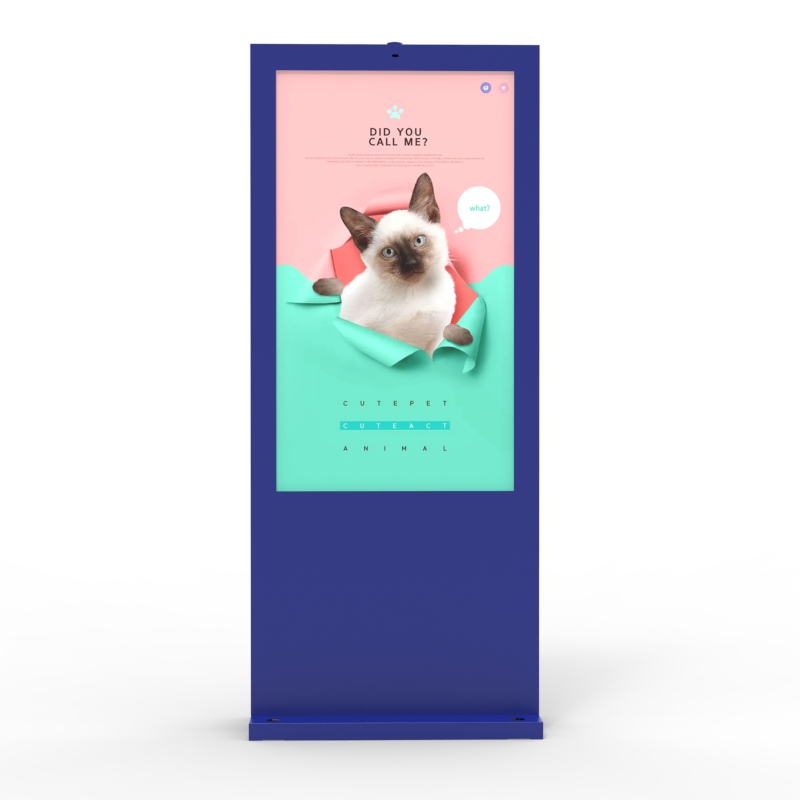
Outdoor Digital Signage has become an indispensable tool for modern brands, urban planners, retail storefronts, and public information systems. From high‑traffic streets to shopping districts and transportation hubs, outdoor displays deliver dynamic content that stationary signs can’t match. But when you’re specifying Outdoor Digital Signage for a project — whether it’s a municipal installation or a commercial advertising network — one key technical decision often trumps all others: the device’s waterproof rating, primarily the difference between IP65 Outdoor Digital Signage and IP66 Outdoor Digital Signage.
Getting this decision right ensures long‑term reliability under harsh weather, protects your investment, and guarantees that your promotional messages never go dim due to moisture or dust. This guide breaks down everything you need to understand, analyze, and compare IP65 vs IP66 waterproof ratings — including data, tables, real‑world use cases, and actionable recommendations tailored to buyers.
")
Key Takeaways
Outdoor Digital Signage must be selected according to its waterproof and dust protection level to ensure long-term reliability.
IP65 Outdoor Digital Signage provides full dust protection and resistance to low-pressure water jets, suitable for most standard outdoor environments.
IP66 Outdoor Digital Signage offers the same dust protection but withstands high-pressure water jets, making it ideal for fully exposed installations, heavy rain, or coastal conditions.
Choosing between IP65 and IP66 depends on environmental exposure, installation location, and budget considerations.
Proper selection of waterproof rating, combined with high brightness, thermal management, and certified quality, ensures optimal performance, visibility, and longevity of outdoor displays.
IP ratings alone do not guarantee complete protection; maintenance access and corrosion-resistant materials may also be required in harsh environments.
What Does “IP Rating” Mean in Outdoor Digital Signage?
An IP (Ingress Protection) rating is an international standard (IEC 60529) that tells you how well an enclosure protects its internal electronics from dust and water. The code IPxx consists of two digits:
For Outdoor Digital Signage, both dust and water protection matter — especially when displays are mounted in open environments with rain, wind, sunlight, and severe weather.
Table: Understanding IP Rating Components
| IP Code Component | Meaning |
| IP | Ingress Protection Standard |
| First Digit | Dust protection level, 0 (none) to 6 (dust‑tight) |
| Second Digit | Water protection level, 0 (none) to 9 (high‑pressure / immersion) |
Outdoor Digital Signage products typically use ratings starting from IP65 and above, since lower ratings are not suitable for exposed environments.
IP65 Outdoor Digital Signage: What Buyers Need to Know
IP65 Outdoor Digital Signage means:
Practically, IP65‑rated displays can withstand splashing rain, standard showers, and routine cleaning sprays — making them ideal for most everyday outdoor installations. They are not meant to handle high‑pressure water jets or extremely wet environments.
Key Characteristics
✔ Fully dust‑tight — optimal for dusty city streets, parking lots, and construction zones
✔ Handles rain spray and typical outdoor moisture
✔ Budget‑friendly compared to higher‑rated options
✔ Great for standard outdoor advertising and wayfinding
Common Installations for IP65 Outdoor Digital Signage
Building facades and mall exteriors
Transit stops and kiosks
Outdoor retail signage under light exposure
Outdoor informational touchscreens in non‑extreme environments
Pros and Limitations
| Feature | IP65 Outdoor Digital Signage |
| Dust protection | Excellent (dust‑tight) |
| Water resistance | Low to moderate water exposure |
| Heavy rain resistance | Good but not optimal |
| High‑pressure spray & washdowns | Not suitable |
| Cost | Lower than IP66 |
IP66 Outdoor Digital Signage: Next‑Level Protection
IP66 Outdoor Digital Signage represents a step up:
This elevated water rating is critical when displays are installed in fully exposed outdoor conditions, coastal areas, or regions where equipment may encounter pressure washdowns, hurricanes, or intense storms.
Key Characteristics
✔ Dust‑tight casing for maximum long‑term reliability
✔ Resistant to high‑pressure water jets — ideal for heavy rain and coastal spray
✔ Suitable for more demanding environments
✔ Often includes ruggedized construction and thermal management
Where IP66 Outdoor Digital Signage Excels
City marquis digital advertising
Stadium perimeter screens
Urban wayfinding and public information panels
Outdoor video walls in frequently wet climates
Pros and Limitations
| Feature | IP66 Outdoor Digital Signage |
| Dust protection | Excellent |
| High‑pressure water resistance | Excellent |
| Extreme wet conditions | Better suited than IP65 |
| Cost | Higher than IP65 |
| Submersion protection | Still not designed for full immersion |
Direct Comparison: IP65 vs IP66 Outdoor Digital Signage
| Feature | IP65 Outdoor Digital Signage | IP66 Outdoor Digital Signage |
| Dust Protection | Dust-tight (Level 6) | Dust-tight (Level 6) |
| Water Resistance | Low-pressure jets (Level 5) | High-pressure jets (Level 6) |
| Use in Heavy Rain | Acceptable | Recommended |
| Use in High-Exposure Installations | Best with cover | Fully exposed outdoor ads |
| Washing / Cleaning | Light wash only | High-pressure wash OK |
| Cost | Lower | Higher |
| Best Suited For | Standard outdoor ads | Fully exposed outdoor ads |
Why IP Ratings Matter in Outdoor Digital Signage Projects
Weather Durability & Longevity
Rain, wind, dust, UV exposure, and temperature swings are daily challenges for outdoor electronic displays. A display with the wrong ingress protection level will fail prematurely due to:
Water infiltration leading to short circuits
Corrosion of internal components
Reduced image quality from moisture damage
Increased maintenance costs
IP65 and IP66 ratings directly influence product lifespan and reliability in real‑world settings.
Display Visibility and Brightness
Outdoor Digital Signage needs more than waterproofing — it also must remain readable under direct sunlight. Outdoor screens often feature 2000 to 4000+ nits brightness and anti‑glare glass to ensure visibility. Higher waterproof ratings are typically bundled with these specs for rugged use.
Installation Flexibility
IP66 displays — because they handle stronger water jets — allow for more flexible placement:
✔ Wall‑mounted
✔ Freestanding kiosks
✔ Open‑air plazas
✔ Industrial zones
IP65 units are excellent under covers or partially protected areas but may need added shielding in harsh rain zones.
How to Choose Between IP65 and IP66 Outdoor Digital Signage
Here are simple questions to guide your decision:
1. What weather conditions will the display face?
If heavy rain, pressure cleaning, or coastal winds are routine, IP66 Outdoor Digital Signage is usually the safer choice. In mild rain, IP65 may suffice.
2. Is budget a constraint?
IP65 may help reduce upfront cost while still providing strong outdoor performance where intense water exposure isn’t expected.
3. Is this installation in a premium public space?
High‑visibility, high‑usage public environments benefit most from the added resilience of IP66.
4. Does your display vendor guarantee IP rating performance?
Ratings are only useful if the display meets them in real deployment — verify test certifications and warranties.
Outdoor Digital Signage Best Practices: Beyond IP Ratings
Select High‑Brightness Displays
Outdoor screens should exceed 2500 nits brightness to maintain visibility in sunlight.
Ensure Thermal Management
Outdoor signage must manage heat via passive cooling or built‑in fans to prevent overheating.
Check Warranty and Certifications
Look for CE, FCC, RoHS compliance, and documented IP testing.
Plan for Service Access
Choose models with easy access for maintenance and screen cleaning.
Trend Check: Why Outdoor Digital Signage Is Exploding in 2026
Outdoor Digital Signage continues to grow rapidly as brands demand dynamic content that static print cannot deliver. Buyers now seek solutions that offer:
Real‑time content updates
Integration with analytics and audience measurement
High durability against harsh weather and vandalism
Increased brightness for varied lighting conditions
More projects are embracing fully exposed outdoor installations where IP66‑rated signage is becoming the de‑facto choice due to its robust performance. Shenzhen Dinosaur Display Co., Ltd. offers high-quality outdoor digital signage. IP65 and IP66 models are dustproof and waterproof. These displays perform reliably in various weather and environments. We provide high brightness and easy maintenance for advertising and public information.
FAQs
1. Can IP65 Outdoor Digital Signage handle heavy summertime thunderstorms?
Yes, IP65 screens can handle rain and moderate showers — but extreme wind‑driven rain or heavy storms may be better suited with IP66 protection.
2. Will an IP66 screen still work in coastal environments with salt spray?
IP66 screens resist powerful water jets and dust, but coastal salt spray can accelerate corrosion — consider corrosion‑resistant materials as well.
3. Is IP66 worth the extra cost for basic outdoor signage?
If displays face harsh rain, busy urban intersections, or require pressure wash cleaning, the added upfront cost of IP66 can reduce long‑term risk.
4. Are outdoor screens with IP ratings energy‑efficient?
IP ratings don’t directly affect energy use, but most outdoor signage designed for high brightness includes energy‑efficient LED backlights.
5. Can indoor Digital Signage ever substitute for Outdoor Digital Signage?
Indoor displays lack waterproof sealing and sufficient brightness, so they are not reliable when exposed to open outdoor conditions.