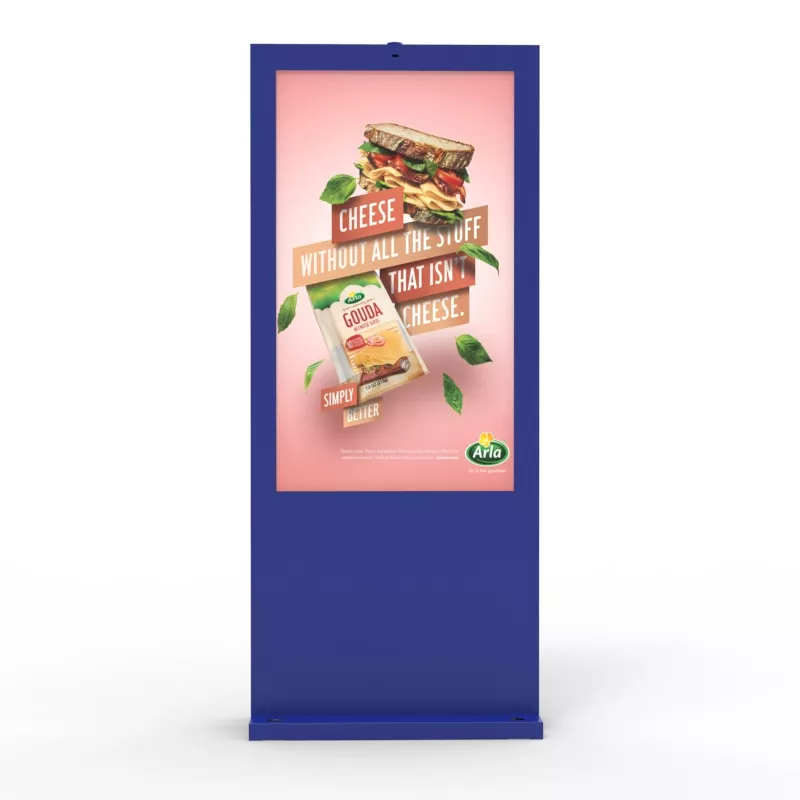
Digital signage has rapidly transformed the retail landscape, revolutionizing the way businesses engage with customers and enhance the shopping experience. By replacing traditional static displays with dynamic, interactive screens, digital signage enables real-time content updates, personalized promotions, and immersive product showcases. In retail environments, this technology allows businesses to deliver tailored messages to customers, improving both engagement and brand visibility. Touchscreen LCD Advertising Digital Signage takes this a step further by incorporating interactivity, allowing customers to browse product catalogs, explore services, or customize their experience directly on the display. This level of engagement not only boosts customer satisfaction but also strengthens brand connections, creating a more memorable and effective shopping journey.
Benefits of Digital Signage in Retail
1. Customer Engagement: Capturing Attention and Encouraging Exploration
Interactive digital signage enhances customer engagement by capturing attention with dynamic, visually appealing content. Whether through touchscreens or motion-sensitive displays, these systems invite customers to interact, creating an immersive shopping experience. Customers can explore product catalogs, access detailed information, or even try out virtual product demonstrations. This level of interactivity not only keeps customers engaged longer but also encourages them to explore products they might not have noticed otherwise.
2. Personalization: Targeted Content Based on Customer Preferences
Digital signage enables retailers to deliver personalized content tailored to specific customers or demographics. By using real-time data and analytics, digital signage can display relevant promotions, product recommendations, or even localized offers based on customer behavior and preferences. This personalized experience increases the likelihood of customers making a purchase, as the content resonates with their needs and interests, creating a more engaging and effective advertising approach.
3. Real-time Promotions: Instant Updates Based on Store Performance and Customer Behavior
One of the standout features of digital signage is its ability to provide real-time updates to promotions, sales, and inventory. Retailers can modify or switch content instantly based on current store performance, seasonal trends, or customer activity. For example, if a particular product is selling quickly, digital signage can highlight it more prominently or offer a special deal. This flexibility ensures that the content is always relevant and timely, maximizing the impact of promotions and improving the overall sales performance.
Applications of Touchscreen LCD Advertising in Retail
1. Interactive Product Displays: Touchscreen Kiosks and Interactive Signage
Touchscreen LCD displays are revolutionizing product displays in retail by offering customers the ability to engage with the content directly. Interactive kiosks and digital signage allow shoppers to browse through product catalogs, view detailed specifications, and explore related items without the need for assistance from staff. For example, in a clothing store, customers can touch a display to see product variations, check sizes, and view availability in real-time. This interactivity not only enhances the customer experience but also drives engagement and encourages discovery of additional products, leading to higher sales.
2. Digital Menu Boards: Enhancing the Food and Beverage Experience
In stores offering food and beverages, digital signage is widely used in the form of digital menu boards. These touchscreen displays allow for dynamic menu updates, daily specials, and nutritional information to be presented in an engaging, visually appealing manner. For instance, a coffee shop can display its menu along with real-time pricing and limited-time promotions, helping customers make quicker decisions. Additionally, touchscreen menu boards enable customers to customize orders or place them directly on the screen, streamlining the ordering process and improving efficiency.
3. Wayfinding and Information Displays: Navigating Large Retail Spaces or Malls
In large retail spaces or shopping malls, touchscreen LCD digital signage serves as an effective wayfinding tool. Digital displays can provide interactive maps, helping customers easily locate stores, departments, restrooms, and other key services. With touch-enabled interfaces, customers can search for specific stores or items and receive detailed directions on how to get there. This enhances the overall shopping experience by reducing frustration and improving convenience, ensuring that customers spend more time shopping and less time trying to find their way.
![Advertising]()
Improving the Customer Journey
1. Seamless Experience: Enhancing the Journey from Entry to Checkout
Digital signage significantly improves the customer journey by providing a seamless experience throughout the store. From the moment customers enter, they are greeted by interactive displays showcasing promotions, store layouts, and featured products. As they move through the store, digital signage guides them with wayfinding displays, offers product information, and highlights ongoing sales. At checkout, digital signage can further enhance the experience by displaying promotional offers or loyalty program details, creating a fluid and connected experience from entry to exit. This continuous interaction with digital signage keeps customers engaged and informed, improving their overall shopping experience.
2. Increased Impulse Purchases: Driving Decisions at the Point of Sale
Digital signage plays a crucial role in increasing impulse purchases by placing promotions and product recommendations at key decision-making points in the store. At the checkout area, digital displays can showcase last-minute deals or suggest complementary products, encouraging customers to add items to their cart before completing their purchase. By strategically placing dynamic content in high-traffic areas, digital signage effectively captures attention and drives spontaneous buying decisions, which increases average transaction value and boosts sales.
3. Enhanced Brand Visibility: Boosting Recognition and Creating an Immersive Environment
Digital signage enhances brand visibility by displaying consistent, high-quality content that reinforces the brand’s identity throughout the store. Whether it’s through dynamic advertisements, promotional videos, or interactive displays, digital signage creates an immersive environment that draws customers in and keeps them engaged. By integrating the brand’s colors, logo, and messaging into the displays, retailers ensure that customers are constantly reminded of the brand, improving recognition and emotional connection. This immersive experience strengthens the overall brand presence, ensuring that customers leave with a lasting impression of the store and its products.
Challenges and Considerations for Retailers
1. Cost and Installation: Initial Investment and Integration Costs
One of the primary challenges retailers face when adopting digital signage is the initial investment required for both hardware and software. Digital signage systems, especially those that include touchscreens and interactive features, can be expensive to install. This includes the cost of the displays, mounting hardware, media players, and network infrastructure. Additionally, integrating digital signage into an existing retail environment may require adjustments to the store layout, electrical setup, or even the implementation of new content management software. While the long-term benefits of digital signage, such as improved customer engagement and increased sales, can offset these costs, the initial investment remains a significant consideration for many businesses.
2. Content Management: Regular Updates and Content Curation
For digital signage to remain effective, it requires regular updates and careful content curation. Retailers must ensure that content is fresh, relevant, and aligned with current promotions, inventory, and store events. This means creating a streamlined process for updating content, whether it’s seasonal promotions, new product launches, or time-sensitive offers. Without regular updates, digital signage can quickly become stale and lose its impact, potentially even alienating customers. Retailers must invest time and resources into managing content and ensuring it remains dynamic and engaging, which may involve dedicated staff or third-party content management services.
3. Technical Issues: Ensuring Smooth Operation in High-Traffic Areas
Another challenge is ensuring the smooth operation of digital signage, particularly in high-traffic retail environments. Displays can be prone to technical malfunctions such as screen failures, software glitches, or connectivity issues, which can disrupt the customer experience. In busy areas, equipment is often exposed to the risk of physical damage, such as accidental bumps or spills. Retailers need to ensure that systems are robust, have proper maintenance plans in place, and are backed up by technical support. Regular monitoring and remote troubleshooting capabilities are essential to minimize downtime and ensure the displays operate smoothly, maintaining a positive customer experience.
Frequently Asked Questions (FAQ):
1.How does digital signage enhance customer engagement in retail?
Digital signage creates interactive experiences, allowing customers to explore products, view real-time promotions, and personalize their shopping experience.
2.What are the key benefits of using touchscreen LCD displays in retail?
Touchscreen LCD displays enhance user interaction, provide personalized content, and encourage engagement through dynamic and real-time updates.
3.How can digital signage improve the customer journey in retail stores?
It streamlines the shopping process by offering wayfinding, promoting impulse purchases, and providing real-time information at various touchpoints.
4.What are the challenges retailers face when adopting digital signage?
Retailers must manage initial installation costs, regular content updates, and ensure the technology works smoothly in high-traffic environments.
Conclusion
Digital signage has undoubtedly revolutionized retail spaces, transforming the way businesses engage with customers and enhance their shopping experience. By offering dynamic, interactive displays, digital signage captures customer attention, promotes products effectively, and provides real-time updates, all of which contribute to a more engaging and personalized experience. From guiding customers through the store with wayfinding displays to increasing impulse purchases with targeted promotions, digital signage plays a critical role in driving sales and improving the overall retail environment. Additionally, it boosts brand visibility, creates an immersive atmosphere, and fosters a deeper connection between customers and brands. Ultimately, digital signage not only enhances the customer journey but also provides retailers with a powerful tool to increase customer engagement, improve operational efficiency, and drive long-term business success.