Outdoor advertising has long been an essential tool for brands to engage with consumers, with methods ranging from billboards and posters to bus stop ads and digital screens. However, as technology continues to evolve and consumer expectations shift, traditional forms of outdoor advertising are beginning to lose their impact. To stay relevant in an increasingly crowded and competitive market, brands are turning to interactive outdoor advertising to capture the attention of passersby and build deeper connections with their audiences.
In recent years, we have seen a surge in the use of interactive elements in outdoor ads, transforming static billboards and posters into dynamic, engaging experiences. This transformation is not just a passing trend—it is a fundamental shift that reflects how modern consumers interact with the world around them. In an age where digital experiences are becoming more immersive and personalized, outdoor advertising must adapt to meet these expectations.
In this article, we will explore why interactivity is key to the future of outdoor advertising, the benefits of interactive ads for brands and consumers, and how businesses can leverage this innovative medium to stay ahead in the competitive marketing landscape.
1. Deconstructing Interactivity: Core Mechanics of Modern Outdoor Media
Interactive outdoor advertising refers to the strategic deployment of digital and physical assets to enable two-way communication between a brand and a consumer, moving beyond the limitations of traditional one-way broadcasting. The value of this medium lies in its mechanism—it requires and rewards participation, turning a passive viewer into an active participant.
This modern advertising discipline is defined by several core interactive features:
Technological Components:
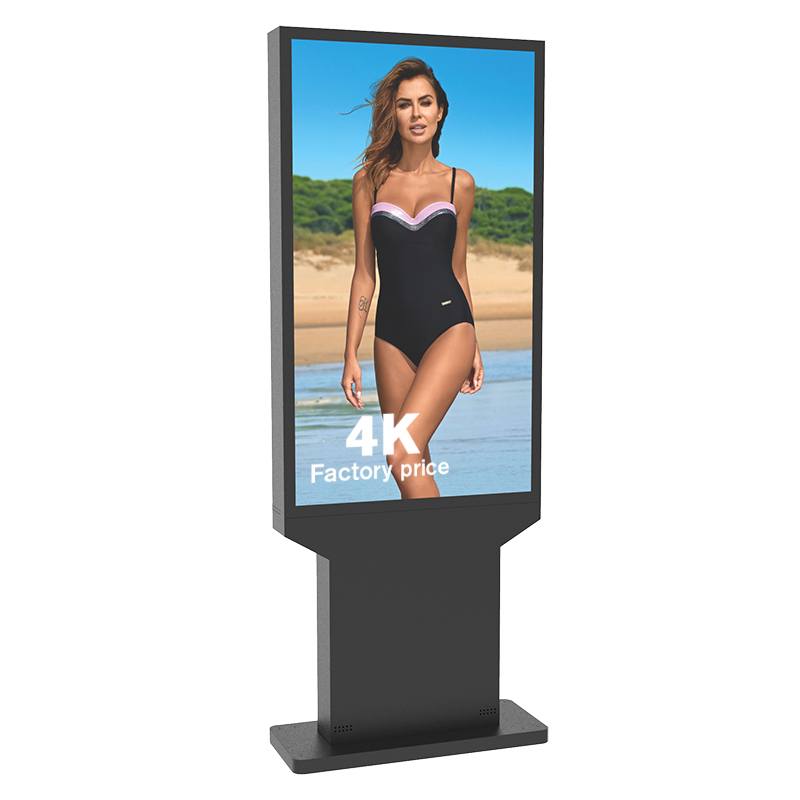
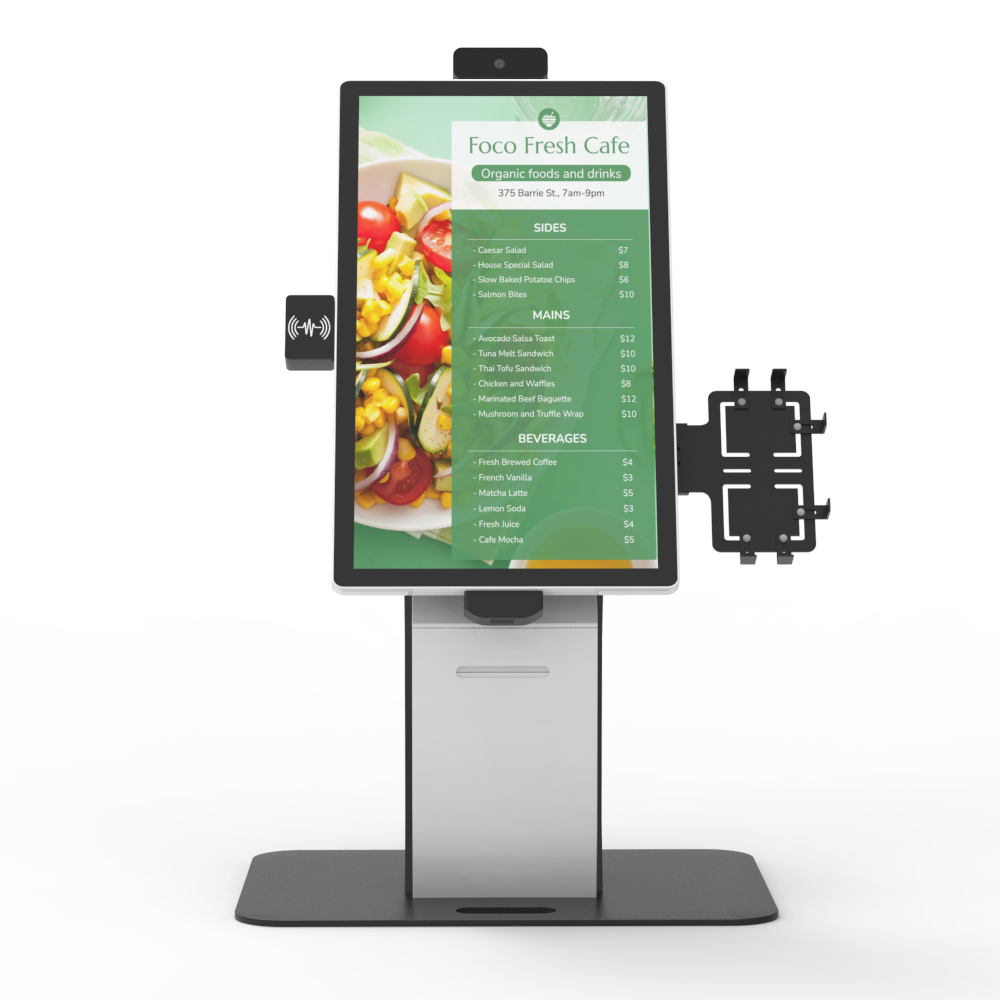
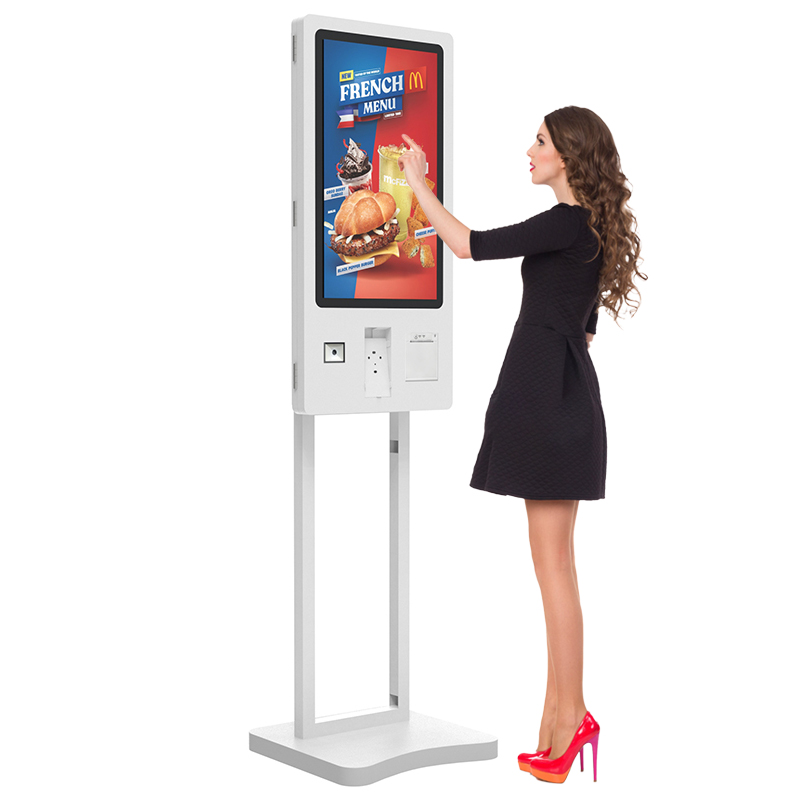
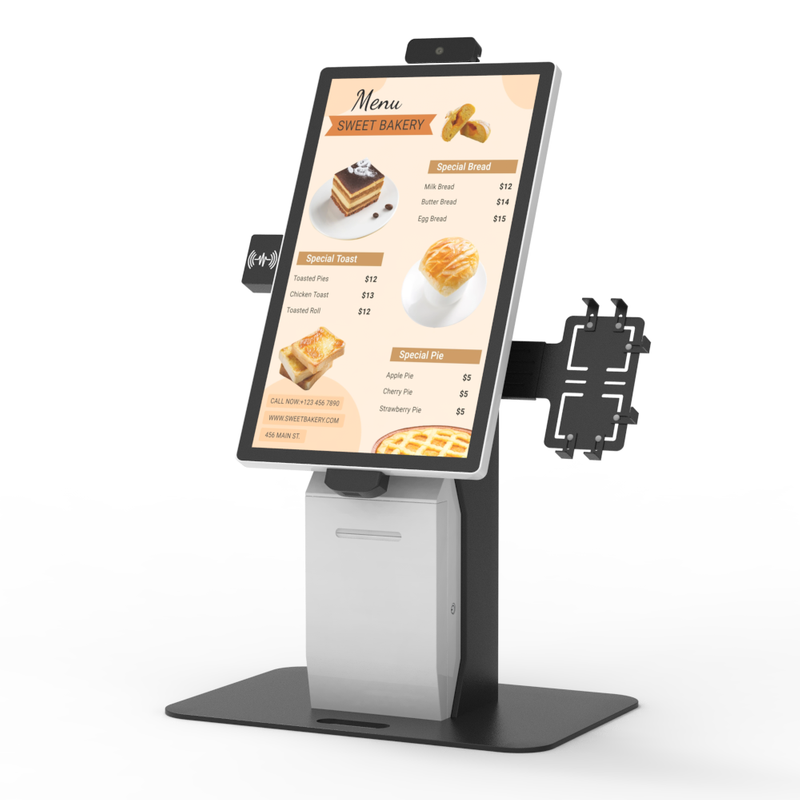
Touchscreen Kiosks: Equipped with touch-enabled interfaces, these interactive stations allow consumers to tap, swipe, and scroll through extended brand content, customized information, or functional interfaces (like ordering systems).
Augmented Reality (AR) Experiences: Ads that integrate virtual elements overlaid onto the real world. Consumers use smartphones or dedicated cameras to interact with these virtual layers, enabling memorable, mixed-reality brand experiences.
Context-Sensitive Displays (Motion/Gestures): Digital displays utilize embedded sensors to dynamically change content based on the audience's physical presence, movement, or gestures. For instance, the content could react directly to a person walking or waving in front of the screen.
Seamless Mobile Integration (QR/NFC): A common, low-barrier feature where consumers scan a QR code or use Near-Field Communication (NFC) to instantly access additional content, personalized discounts, promotions, or direct e-commerce links via their smartphones.
Geolocation-Driven Personalization: Ads that leverage GPS or localized data to adjust their messaging, content, or offers based on a consumer’s geographic location or proximity, making the experience hyper-relevant and timely.
By adding an element of interactivity, these ads encourage participation from the audience, making them more engaging, memorable, and ultimately, more effective than traditional outdoor ads.
2. Why Is Interactivity Key to the Future of Outdoor Advertising?
a. Engaging the Modern Consumer
In the past, consumers were used to passive experiences with outdoor ads. They would drive past a billboard or wait at a bus stop and glance at the ad without much thought or engagement. Today, however, consumers are more digitally savvy and expect personalized, interactive experiences wherever they go. They want to feel engaged and connected to the brands they encounter.
Interactive outdoor advertising is an effective way to bridge the gap between traditional advertising and the needs of the modern consumer. By encouraging interaction, brands can capture the attention of consumers who are otherwise distracted by their smartphones, social media, or the busy world around them. Whether it’s through motion sensors, touchscreens, or AR experiences, interactive ads create a deeper connection by offering something more than just a message—they offer an experience.
b. Increasing Brand Awareness and Recall
Interactive outdoor ads have the unique ability to make a lasting impression. Traditional ads, while effective for visibility, often fail to foster long-term recall because consumers don’t engage with them in any meaningful way. In contrast, interactive ads are designed to involve the audience, whether through games, quizzes, or real-time experiences. This kind of engagement leads to a deeper connection with the brand, making it more likely that the consumer will remember the ad and the product or service being promoted.
Research has shown that active participation in an ad increases brand recall. When consumers interact with an ad, they are more likely to remember the content and associate positive feelings with the brand. The more enjoyable and relevant the experience, the more likely it is that the consumer will share the ad with others or seek out the product or service featured in the campaign.
c. Personalization and Relevance
Consumers are increasingly expecting personalized experiences, and outdoor advertising is no exception. Interactive outdoor ads offer the unique ability to tailor the content to the individual. For example, a motion-activated display might change its content based on the time of day, or a QR code might lead a consumer to a personalized offer depending on their location or past purchases.
Personalization is a powerful tool because it makes the ad feel more relevant to the consumer. Rather than a generic message, the ad is speaking directly to the consumer’s needs, preferences, and even current context. This level of relevance helps to break through the noise of traditional advertising and capture the attention of consumers in a way that feels meaningful and engaging.
d. Integration with Digital and Social Media
Another key advantage of interactive outdoor ads is their ability to integrate seamlessly with digital and social media platforms. By incorporating features like social media sharing, hashtags, and real-time feedback, interactive ads can amplify their reach far beyond the physical location of the ad.
For instance, a consumer who engages with an interactive ad might be encouraged to share their experience on social media, creating a viral effect that spreads the brand’s message to a broader audience. Additionally, ads that incorporate geolocation features can push notifications or promotions to a consumer’s smartphone based on their proximity to a physical ad, encouraging immediate action.
This integration creates a multi-channel marketing experience that bridges the gap between outdoor and digital advertising, extending the life and reach of the campaign. The combination of offline and online engagement is one of the reasons interactive outdoor advertising is poised to become a dominant force in the future of marketing.
3. Benefits of Interactive Outdoor Advertising
a. Increased Engagement and Consumer Interaction
One of the biggest benefits of interactive outdoor advertising is the ability to foster active engagement. As opposed to passive viewing, interactive ads prompt consumers to interact, which increases their involvement with the brand. This heightened level of engagement leads to stronger emotional connections, which are crucial for building brand loyalty.
b. Real-Time Data and Insights
Interactive ads can generate real-time data about consumer interactions, giving brands valuable insights into how their target audience is engaging with their campaigns. Brands can track things like:
How many people interacted with the ad
What content they engaged with the most
How long they spent interacting with the ad
The time of day or location when the ad was most engaging
This data allows brands to optimize their campaigns, improve future ads, and better understand consumer preferences and behavior.
c. Enhanced Brand Perception
Incorporating interactivity into outdoor advertising gives a brand a modern, innovative image. It shows that the brand is tech-savvy, forward-thinking, and in tune with the needs of today’s digital consumers. This can improve the overall brand perception and attract a younger, more tech-conscious audience.
d. Greater Impact on Conversions
Interactive outdoor advertising doesn’t just increase awareness—it can directly influence consumer behavior. With features like QR codes, instant discounts, or easy access to online stores, interactive ads create an immediate pathway for consumers to act. Whether it’s signing up for a newsletter, making a purchase, or visiting a store, interactive ads help convert interest into action.
4. How Businesses Can Leverage Interactive Outdoor Advertising
As interactive outdoor advertising becomes more widely adopted, businesses can take advantage of this innovative tool to enhance their marketing efforts. Here are some ways to leverage interactive outdoor ads effectively:
a. Create Memorable Experiences
The key to successful interactive outdoor advertising is to offer an experience that consumers find entertaining, engaging, and useful. Think beyond traditional messaging and create ads that allow people to participate in something fun, informative, or rewarding. Interactive games, AR experiences, and challenges can all encourage consumers to engage with the brand in a way that feels rewarding.
b. Integrate with Social Media
Social media integration is a powerful way to extend the reach of your interactive outdoor ad. Encourage consumers to share their experiences on platforms like Instagram, Twitter, or Facebook. Incorporating branded hashtags, offering rewards for shares, or creating challenges that encourage social media participation can help amplify your message and make your campaign go viral.
c. Target the Right Locations
To maximize the effectiveness of interactive outdoor advertising, it’s important to place your ads in high-traffic locations where they will be seen by your target audience. Busy city centers, shopping malls, airports, and transit stations are ideal spots for interactive ads, as they expose the brand to a large number of potential customers in a short amount of time.
d. Focus on Personalization
Personalization is the future of marketing, and interactive outdoor ads offer the perfect platform for delivering customized messages. Use real-time data and consumer insights to adjust the content of the ad based on the audience’s behavior, preferences, or demographics. Personalization enhances engagement and makes the ad feel more relevant to each consumer, increasing the likelihood of conversion.
5. Conclusion
The future of outdoor advertising lies in interactivity. As consumers demand more engaging, personalized, and dynamic experiences, brands must evolve their marketing strategies to meet these expectations. Interactive outdoor advertising offers an exciting way for brands to build deeper connections with their audience, increase engagement, and boost brand awareness.
By incorporating motion sensors, augmented reality, social media integration, and personalized content, brands can create memorable, immersive experiences that stand out in a crowded advertising landscape. As technology continues to evolve, interactive outdoor ads will only become more advanced, offering new opportunities for brands to connect with consumers in innovative and impactful ways.
In a world where attention spans are short and consumer expectations are high, interactive outdoor advertising is the key to capturing attention, building brand loyalty, and staying ahead of the competition. The future of marketing is interactive—and it’s happening now.