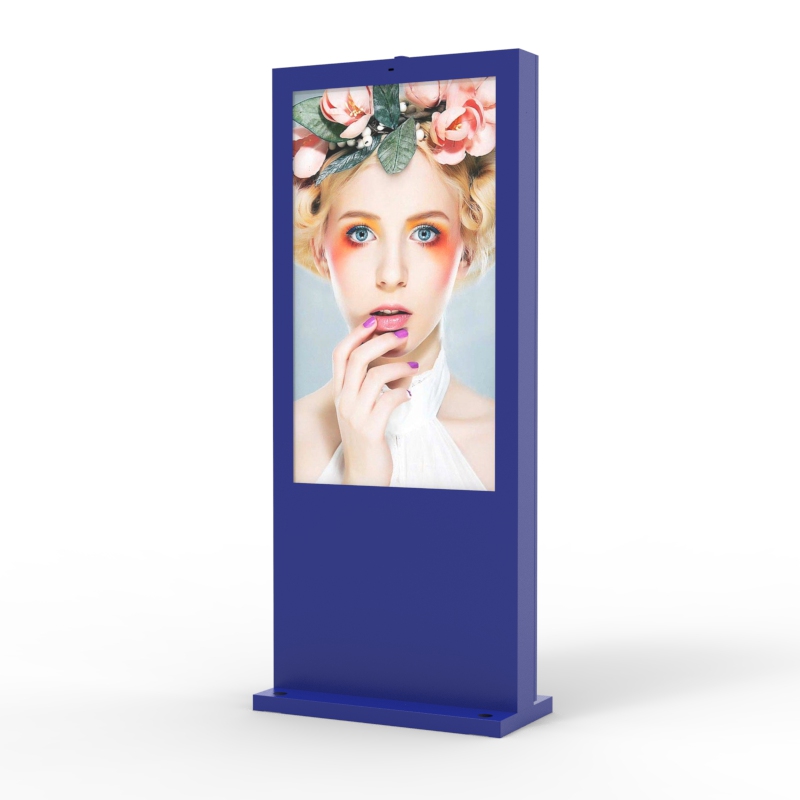
Outdoor digital signage installs face a unique challenge: competing with the sun’s brightness. Unlike indoor screens, which usually run under a few hundred nits, outdoor displays need enough luminance to remain crisp and readable even in direct sunlight. Choosing between 2500 nits and 3000 nits can mean the difference between content that’s easily seen and content that looks washed out. This guide breaks down when each brightness level makes sense for your Outdoor Digital Signage project and helps you make an informed decision tailored to real installation conditions.

Key Takeaways
For Outdoor Digital Signage, brightness is critical because screens must compete with bright ambient light; a display under ~2,500 nits may look washed out outdoors.
2500 nits is generally sufficient for shaded or semi‑outdoor environments where direct sunlight is limited.
3000 nits or higher is recommended when displays face full sun exposure or need strong visibility in direct sunlight.
Brightness needs vary by site conditions: orientation, time of day, and surrounding reflections all affect how much nits are truly required for good readability.
Higher brightness improves visibility but also increases power consumption and heat, so balance brightness with anti‑glare treatments and screen positioning for best real‑world performance.
Why Brightness Matters for Outdoor Digital Signage
What “Nits” Mean
“Nits” is the unit for display brightness (cd/m²). The higher the nits, the brighter the screen. Outdoor environments can reach extremely high ambient light, often exceeding what indoor displays can handle.
Sunlight vs Screen Output
Direct sunlight can be 80,000–100,000 lux, meaning a screen must fight that ambient brightness to stay readable. Higher nits push more visible light to the viewer, helping content stand out.
Outdoor vs Indoor Needs
Indoor signage may work fine around 300–500 nits, but Outdoor Digital Signage typically starts at 2500 nits and goes higher depending on sun exposure.
Glare And Reflection
Brightness isn’t the only factor. Anti‑glare or optical bonding coatings can reduce reflected light, making high‑nits screens even more effective.
When 2500 Nits Is Enough
Shaded Or Semi‑Outdoor Environments
If your signage is under an overhang, canopy, or shaded area, 2500 nits usually delivers very good visibility. This suits many retail storefronts and covered pedestrian walkways.
Short Viewing Distances
When viewers are close (e.g., menu boards at drive‑thru lanes), 2500 nits is often sufficient due to proximity and angle.
Budget And Power Efficiency
Screens rated at 2500 nits often cost less and consume less power than higher‑brightness models—important for projects with tight budgets or energy concerns.
Controlled Ambient Conditions
2500 nits performs well if ambient light is moderate and reflection is managed through installation techniques like shading or non‑reflective glass.
When 3000 Nits Is Preferred
Full Sun Exposure
For Outdoor Digital Signage installed in areas with direct, all‑day sun (no shade or canopy), 3000 nits provides noticeably better readability than 2500 nits.
High‑Traffic Or Critical Messaging
If your signage delivers important messages—like wayfinding, transit information, or quick‑service menus—higher brightness means fewer missed impressions.
Larger Formats And Angles
Wider screens and installations viewed from broader angles benefit from 3000 nits because it helps maintain readability across more viewing positions.
Harsh Natural Conditions
In regions with intense sunlight, high ground reflection, or heat, 3000 nits helps preserve visibility throughout midday.
Environmental Factors That Influence Brightness Choice
Installation Orientation
Where the screen faces (east, south, west) changes how much direct sun it must fight, shifting the needed brightness level.
Seasonal And Geographic Variations
Locations closer to the equator or with summer sun at steep angles may require higher brightness for similar clarity.
Glare And Reflections From Surroundings
Glass, water, metal, and light surfaces around the install can reflect sunlight and reduce perceived contrast. Investing in anti‑glare optical stacks helps at both brightness levels.
Ambient Light Changes Throughout Day
Brightness needs vary from morning shadows to noon sun—auto‑dimming sensors help reduce power usage without sacrificing visibility when full brightness isn’t necessary.
Comparing 2500 Nits vs 3000 Nits for Outdoor Signage
Visibility In Sunlight
| Condition | 2500 Nits | 3000 Nits |
| Shaded Outdoor | Good | Excellent |
| Partial Sun | Moderate | Very Good |
| Direct Sun | Struggles | Strong Readability |
| Wide Viewing Angle | OK | Better |
| Sources: industry brightness guidelines |
|
|
Cost, Power, And Heat
Real‑World Applications
2500 nits: shaded retail windows, semi‑outdoor kiosks, entry signs.
3000 nits: open plazas, drive‑thrus, transit hubs midday sun.
Decision Checklist
Full direct sunlight? Choose 3000 nits.
Shaded or semi‑outdoor? 2500 nits likely enough.
Traffic and distance high? Lean to higher brightness.
Budget constraints? Balance brightness with shading solutions.
Installation And Setup Tips For High‑Brightness Outdoor Displays
Anti‑Glare Coatings
Use optical bonding or etched matte glass to cut reflection and enhance real‑world visibility.
Automatic Brightness Adjustment
Ambient sensors help regulate nits based on changing light, improving power efficiency and longevity without manual control.
Strategic Mounting And Shading
Overhangs, hoods, or recessed mounts can reduce harsh light, potentially allowing you to choose 2500‑nits hardware while still meeting visibility goals.
Content And Contrast
Design content with high contrast and bold visuals to make the most of available brightness, especially when environmental conditions fluctuate.
Conclusion
Choosing between 2500 nits and 3000 nits for Outdoor Digital Signage isn’t just about numbers. It’s about context: how bright the environment is, where the screen sits, how far viewers are, and what message you want to convey. For shaded or semi‑outdoor locations, 2500 nits often delivers clear readability while saving on cost and power. But in full sun and demanding visibility conditions, 3000 nits brings extra assurance and impact. By balancing environmental factors, installation strategy, and content priorities, you can ensure your outdoor signage performs reliably in real light environments.
FAQ
Q: What is 2500 nits Outdoor Digital Signage?
A: It is high-brightness Outdoor Digital Signage for shaded or semi-outdoor areas.
Q: Is 3000 nits better for Outdoor Digital Signage?
A: Yes, Outdoor Digital Signage at 3000 nits works better in direct sun.
Q: How do I choose between 2500 and 3000 nits?
A: Choose 2500 nits for shade, and 3000 nits for full sun.
Q: Does LCD Outdoor Digital Signage cost more at 3000 nits?
A: Usually yes, due to higher power, cooling, and panel cost.
Q: Why does brightness matter outdoors?
A: Brightness helps prevent washed-out content in sunlight.
Q: How do I fix glare on outdoor screens?
A: Use anti-glare glass, shade, and auto-brightness sensors.