In an era where traditional advertising methods are increasingly being overshadowed by digital innovations, interactive outdoor advertising has emerged as a powerful tool for brands to engage consumers in real-time and create memorable experiences. Gone are the days when billboards and posters were static, one-way communication tools. Today, interactive outdoor ads have transformed how brands connect with their audience, offering dynamic, personalized, and immersive experiences that capture attention and build lasting relationships.
Interactive outdoor advertising is rapidly reshaping the landscape of marketing, providing businesses with the ability to engage their audiences on a deeper level and drive meaningful interactions. This shift is fueled by advancements in technology, the rise of smart devices, and an ever-growing demand for more engaging, personalized experiences. Whether it’s a digital billboard that changes based on audience interaction or a touch screen display that allows users to play games or share social media posts, interactive outdoor advertising has the potential to change the way brands advertise in public spaces.
In this article, we’ll explore how interactive outdoor advertising is revolutionizing marketing, why it’s effective in today’s advertising landscape, and how businesses can leverage this innovative medium to create impactful campaigns that resonate with modern consumers.
1. Defining the Medium: Interactive Outdoor Advertising
At its core, Interactive Outdoor Advertising (IOA) represents a paradigm shift from passive viewing to active participation in public spaces. It encompasses digital or physical displays that are specifically designed to invite and facilitate a two-way exchange between the brand and the consumer, going far beyond the limitations of static, one-way messaging. This dynamic interaction is enabled by integrating various technological elements.
These advertisements are strategically engineered to foster a direct conversation, transforming public ads into experiential marketing tools. This engagement often involves:
Touchscreens and Gesture Control: Allowing direct physical or motion-based manipulation of the content.
Facial Recognition and Motion Sensors: Enabling the ad to adapt its display in real-time based on the viewer's presence, movement, or demographic profile.
QR Codes and Mobile Apps: Serving as a crucial link that bridges the physical display with the digital realm (e.g., website, game, or purchase portal).
Augmented Reality (AR): Superimposing virtual elements onto the real-world view, creating immersive, blended experiences.
IOA aims to move beyond simple visibility by demanding active participation. This approach turns an audience member into a participant, allowing them to connect with the brand in a personal, often playful, and memorable way.
2. Why Interactive Outdoor Advertising Works
Traditional outdoor advertising, such as billboards and posters, often struggles to capture and maintain the attention of modern consumers who are constantly bombarded with information. Interactive outdoor advertising, however, creates a more engaging and memorable experience by offering consumers the chance to actively participate. Here’s why interactive outdoor ads are so effective:
a. Engaging the Audience
One of the main reasons interactive outdoor advertising works so well is its ability to engage the audience. Traditional ads often push a message to the consumer without encouraging any interaction. In contrast, interactive ads create a two-way conversation, allowing the audience to become a part of the experience. For example, a digital billboard with a touch screen might allow passersby to participate in a poll or game, giving them a sense of involvement and investment in the ad.
Engagement can also increase brand recall. When consumers interact with an advertisement, they are more likely to remember it. This active participation leads to stronger emotional connections and better retention of the brand message, making them more likely to take action, whether that’s visiting a store, making an online purchase, or sharing the experience on social media.
b. Personalization and Relevance
Interactive outdoor advertising is inherently more personalized than traditional advertising. Modern technology enables ads to be tailored based on factors such as the demographics of passersby, the time of day, or even weather conditions. For example, a digital ad may display different promotions depending on whether it's a sunny day or a rainy one. Similarly, facial recognition software can allow the ad to adapt based on the age, gender, or mood of the viewer, delivering a message that feels more relevant and personalized.
Personalization makes consumers feel like the brand understands them and is addressing their unique needs or preferences. When ads feel more tailored to an individual, it increases the likelihood that the consumer will respond positively.
c. Immediate Action and Conversion
Interactive outdoor advertising doesn’t just raise awareness—it encourages immediate action. QR codes, for example, allow consumers to quickly scan the code and access exclusive content, discounts, or even place orders directly from their smartphones. By providing an easy way for people to engage with the brand, interactive ads lower the barrier to conversion and enable immediate consumer response.
This immediacy is key in an age where consumers want instant gratification. Whether it's getting a discount code, signing up for an event, or downloading an app, interactive outdoor ads can facilitate quick and direct action, which ultimately drives sales or increases brand loyalty.
d. Creating Memorable Experiences
Memorable experiences are key to building lasting relationships between brands and consumers. By incorporating fun, engaging, and even unexpected elements into the advertising experience, brands can create positive associations that stick with the consumer. For instance, using augmented reality to allow consumers to "try on" products virtually or interact with a 3D representation of the brand creates an immersive and fun experience that can be shared with others.
These interactive experiences often lead to increased social media sharing, as consumers love to share something fun or unique with their networks. This, in turn, amplifies the reach of the campaign and helps the brand gain exposure through word-of-mouth.
3. Types of Interactive Outdoor Advertising
The world of interactive outdoor advertising is vast and varied, offering a multitude of ways to engage with consumers. Below are some of the most popular types of interactive outdoor ads that are gaining traction in the industry:
a. Digital Billboards
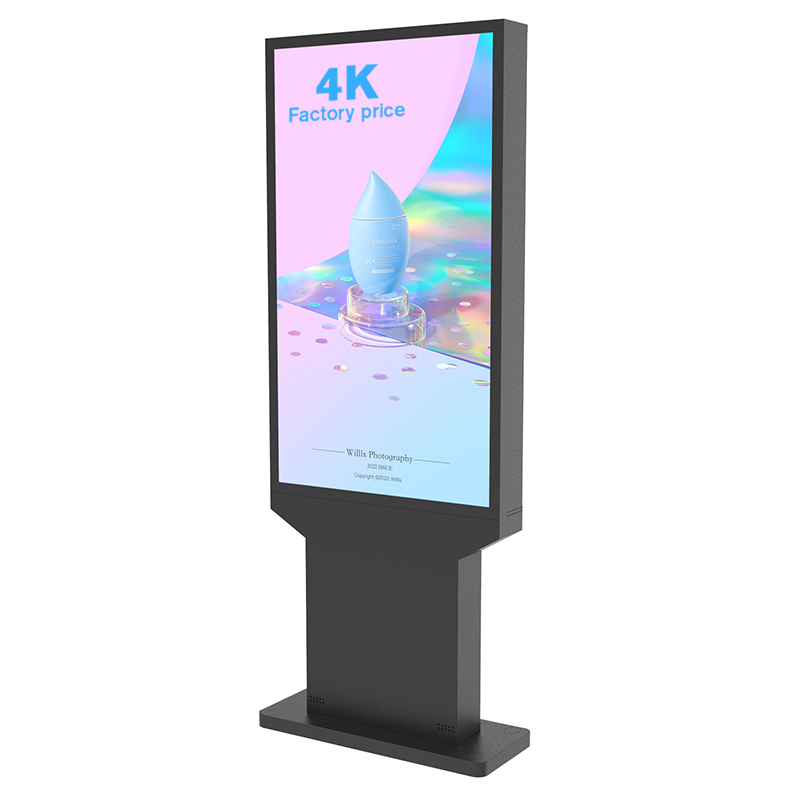
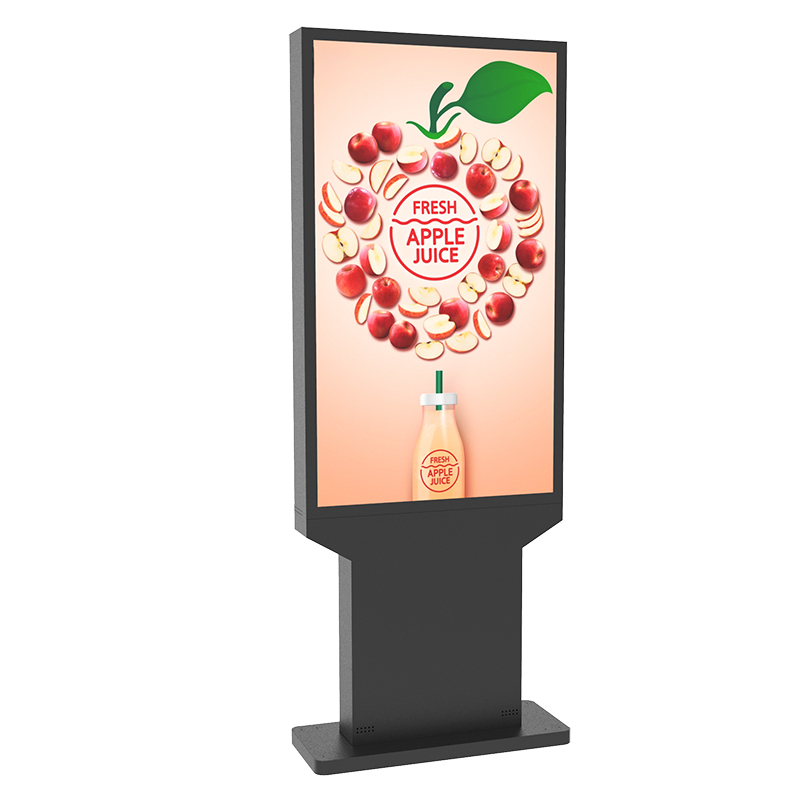
Digital billboards are electronic displays that can show dynamic content that changes based on a variety of factors. With motion sensors and real-time data, these billboards can tailor content to different audiences. For instance, they may change their messaging depending on the time of day (e.g., promoting breakfast items in the morning and dinner specials at night) or traffic patterns (e.g., displaying ads for nearby stores when traffic is heavy).
Digital billboards are also an ideal canvas for video content, allowing brands to showcase their products in action or even run interactive ads that encourage passersby to engage with the content directly.
b. Touchscreen Kiosks and Interactive Panels
Touchscreen kiosks and interactive panels allow consumers to directly engage with an ad. These displays can be placed in high-traffic areas such as shopping malls, airports, or train stations, where people are more likely to spend time interacting with them. These ads often allow users to access additional information, participate in contests, or even make purchases on the spot.
A well-placed touchscreen display can act as an information hub, providing passersby with a wealth of content, from product details to directions to nearby stores, all while encouraging them to interact with the brand.
c. Augmented Reality (AR) Ads
Augmented reality is one of the most exciting and innovative trends in interactive outdoor advertising. AR ads blend the real world with virtual elements, allowing consumers to interact with digital content overlaid on the physical environment. For example, a consumer might use their phone to see how a piece of furniture would look in their living room or try on clothes virtually through a digital display.
AR ads can turn ordinary outdoor spaces into immersive experiences, offering an engaging and interactive way for brands to showcase their products in a highly creative and memorable manner.
d. QR Code-Activated Ads
QR codes are an incredibly simple yet powerful way to make outdoor advertising interactive. By placing a QR code on an outdoor ad, brands can encourage consumers to scan the code with their smartphones, leading them to a specific landing page, discount, or exclusive offer. QR codes are effective because they bridge the gap between the physical and digital world, enabling immediate consumer interaction.
4. The Future of Interactive Outdoor Advertising
As technology continues to evolve, the possibilities for interactive outdoor advertising are only expanding. The integration of AI, IoT devices, and 5G technology will allow brands to offer even more personalized, seamless, and immersive experiences for consumers. We can expect to see more innovative ways to connect with audiences in public spaces, from smart billboards that respond to individual behaviors to voice-activated interactive displays.
In the future, the fusion of physical and digital worlds will only deepen, creating opportunities for marketers to engage with consumers in more meaningful, relevant, and impactful ways.
5. Conclusion
Interactive outdoor advertising is transforming the way brands engage with consumers, offering a more dynamic and engaging alternative to traditional advertising methods. By incorporating cutting-edge technology such as digital billboards, AR experiences, and QR codes, brands can create memorable, personalized, and impactful campaigns that resonate with modern audiences.
As more and more brands embrace interactive advertising, the medium will continue to evolve and play a pivotal role in shaping the future of marketing. Whether you're looking to increase brand awareness, drive conversions, or create a lasting emotional connection with consumers, interactive outdoor advertising offers endless opportunities to revolutionize your marketing strategy and connect with your audience in exciting new ways.